The Challenge
More than 5,100 African rhinos have been lost to poaching in the past five years, 50% of those being killed in Kruger National Park. With 80% of the world’s rhino population in South Africa and the vast majority of those in the Greater Kruger area, Kruger National Park is a main target for poaching syndicates who approach from all sides and surrounding countries.
With such severe poaching and a high number of incidences on the western border we have committed ourselves to protecting the border from syndicates entering Greater Kruger National Park.

Our Tactic
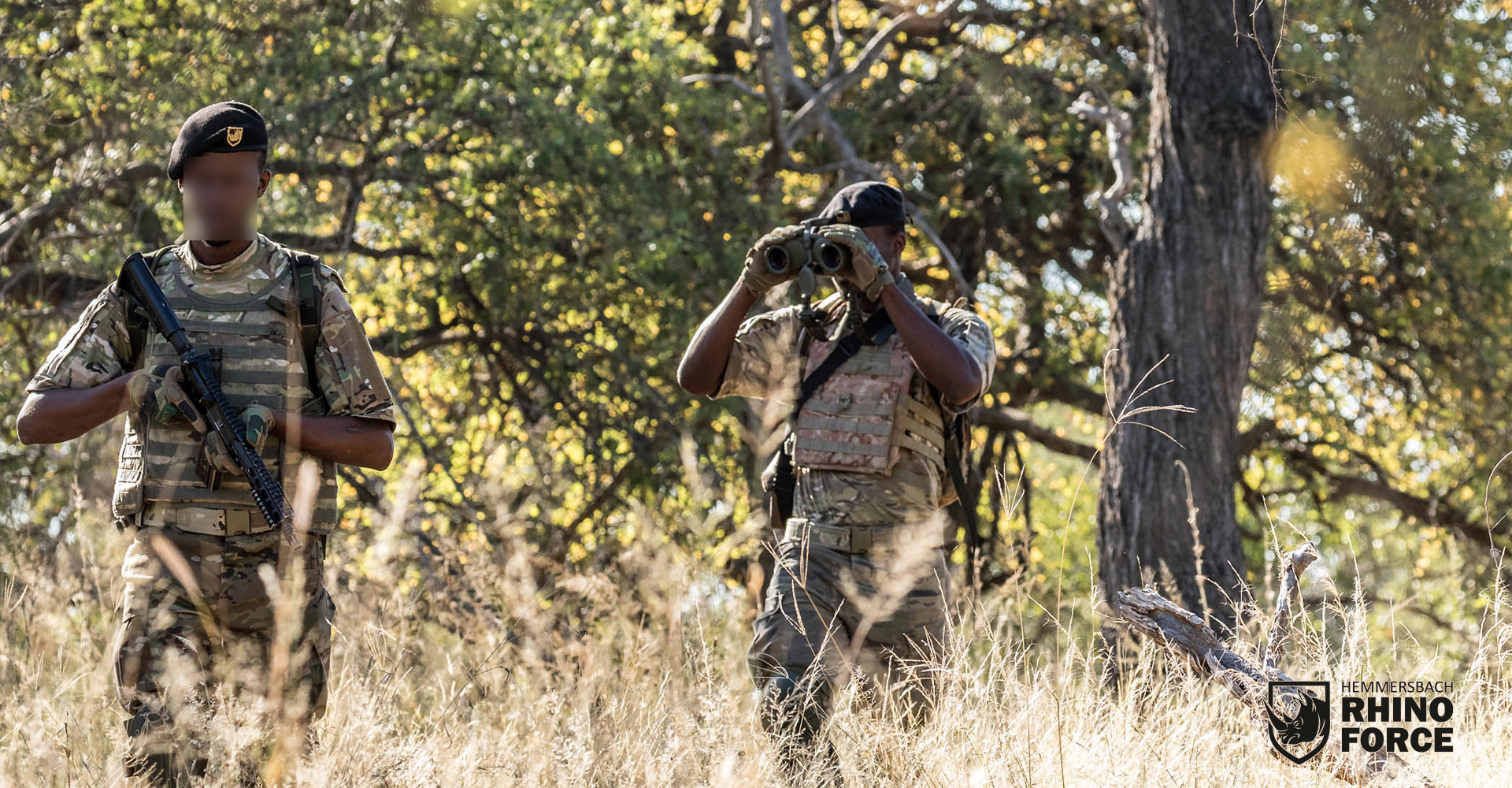
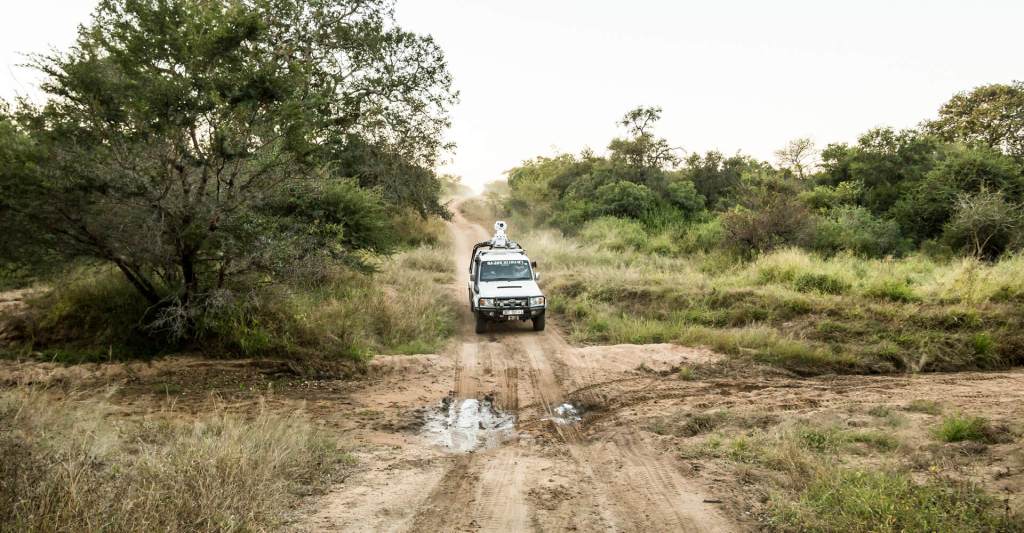
We have five elite squads operating in the Greater Kruger region along with a base camp and a sniffer dog unit protecting the Western border of Greater Kruger Park. Our squads patrol the perimeter and surrounding roads of the game parks and nature reserves using military grade surveillance equipment to assist with the effective detections and detainment of unauthorised personnel entering the reserves and to prevent poaching syndicates entering the park via the Greater Kruger Area.

Our squads support law enforcement agencies in their daily operations, such as setting up entry blockades, disqualifying any prohibited items being carried into or out of parks, helping social unrest victims to safety, as in the case of the April 2017 riots, and fighting illegal activities in the bush. Additionally, our elite squads are trained to perform forensic autopsies of carcasses found and the South African Police Service call on our forensic skills in order to retrieve the bullet(s), DNA and any incriminating evidence which can then be used in court for arrest, prosecution and sentencing.
Hemmersbach Rhino Force is collaborating with the Associated Private Nature Reserves (APNR) with whom we work closely to reach the best outcomes for the wildlife, nature and people in the areas covered.
Our Technology
All Hemmersbach Rhino Force squads are equipped with special surveillance systems like infrared and night vision cameras providing superior and immersive 360 degree views, head mounted night vision monoculars and infrared headlights allowing our squads to drive covertly at night. The surveillance systems from each vehicle continually feed back footage to the base in real time thus allowing us to re-evaluate our procedures with incoming information additionally each squad member and his actions is tracked and filmed; this and our intelligence operations enables us to coordinate the squads and prepare them for ambushes to successfully detain people illegally entering the park. The equipment allows for proactive operations, rather than reactive, which makes us unique and separates us from most conservation armies. Using this approach makes us significantly more effective as reactive responses are often, sadly, too late for the wildlife.

 Hemmersbach Rhino Force